Sea otters

Notes on the smallest marine mammal of the North Pacific: how it stays warm without blubber, why it carries a favourite rock, and why kelp forests depend on it.

A sea otter floating on its back in calm water
Enhydra lutrisU.S. Fish and Wildlife Service, Public domain

A coat instead of blubber

Most marine mammals keep warm with a thick layer of fat. Sea otters don't have one. They rely on the densest fur of any animal, with up to a million hairs on every square inch, which traps a layer of air against the skin.

That coat only works when it is clean, so otters spend hours a day grooming, blowing air into the fur and rolling in the water. Oil on the coat is life-threatening: once the fur mats, cold water reaches the skin.

Keeping warm this way is expensive. An adult eats roughly a quarter of its body weight every day.
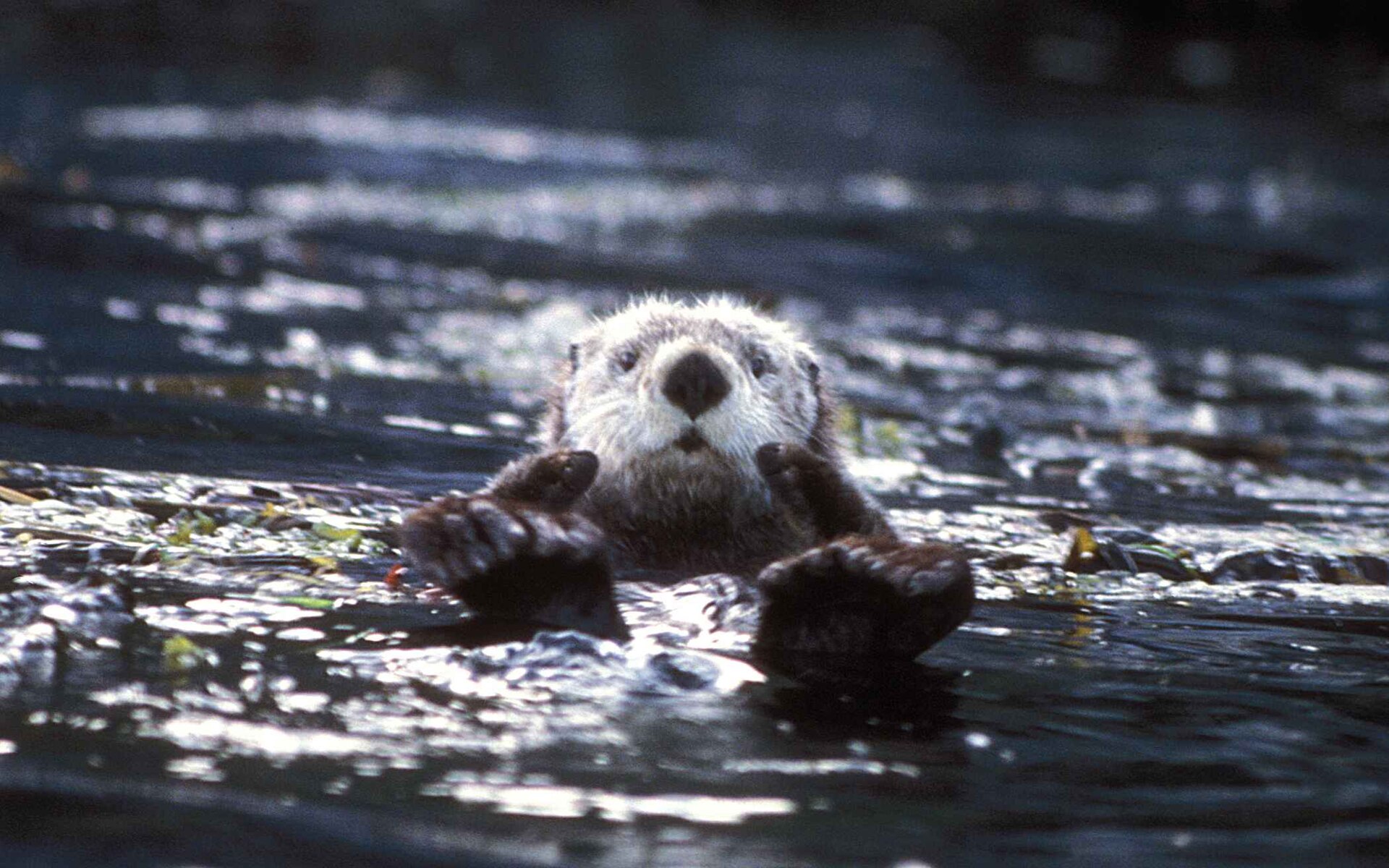
A sea otter grooming its fur
GroomingMenke David, U.S. Fish and Wildlife Service, Public domain

The rock in the pocket

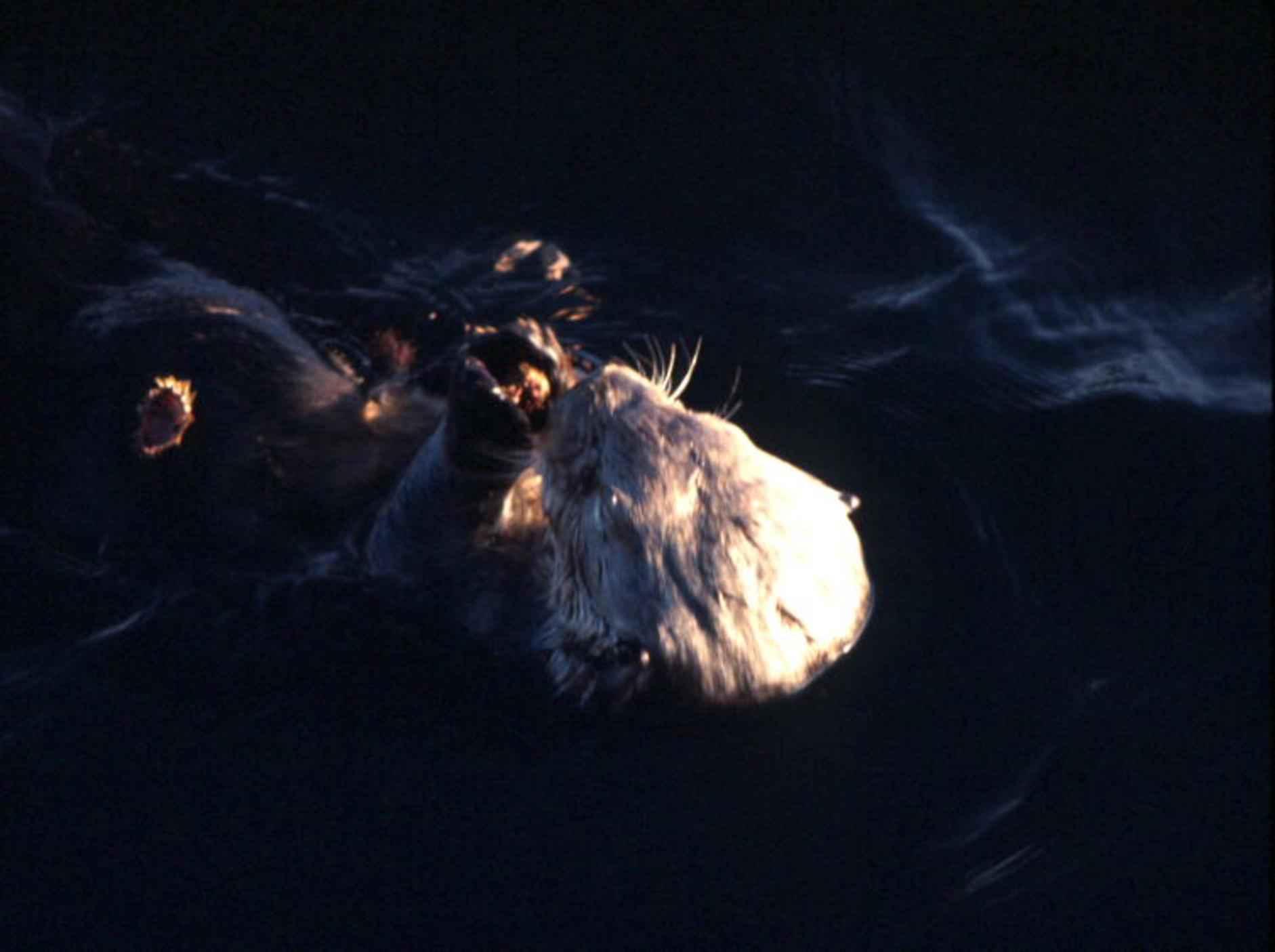
Sea otters are one of the few mammals other than primates that use tools. Floating on its back, an otter rests a stone on its chest and hammers clams, mussels and snails against it until the shell gives way.

Under each foreleg is a loose fold of skin that works as a pouch. Otters store food there during a dive, and many keep the same favourite rock for a long time.

A sea otter eating while floating on its back
FeedingSowl, U.S. Fish and Wildlife Service, Public domain

Keepers of the kelp

Sea urchins graze on kelp. Left unchecked, they can strip a forest down to bare rock. Otters eat urchins, and where otters are present the kelp tends to recover, along with the fish and invertebrates that shelter in it.

That outsized effect is why ecologists call the sea otter a keystone species: remove it and the whole community changes shape.

By 1911, after more than a century of fur hunting, perhaps only one or two thousand sea otters were left across their entire range.

That year's International Fur Seal Treaty ended the commercial hunt. Populations have recovered in parts of the range, but the southern sea otter is still listed as threatened.

Rafts

Otters rest in groups called rafts, which can number from a handful to hundreds of animals. To avoid drifting while they sleep, they often wrap themselves in strands of kelp, and pairs are sometimes seen holding paws.

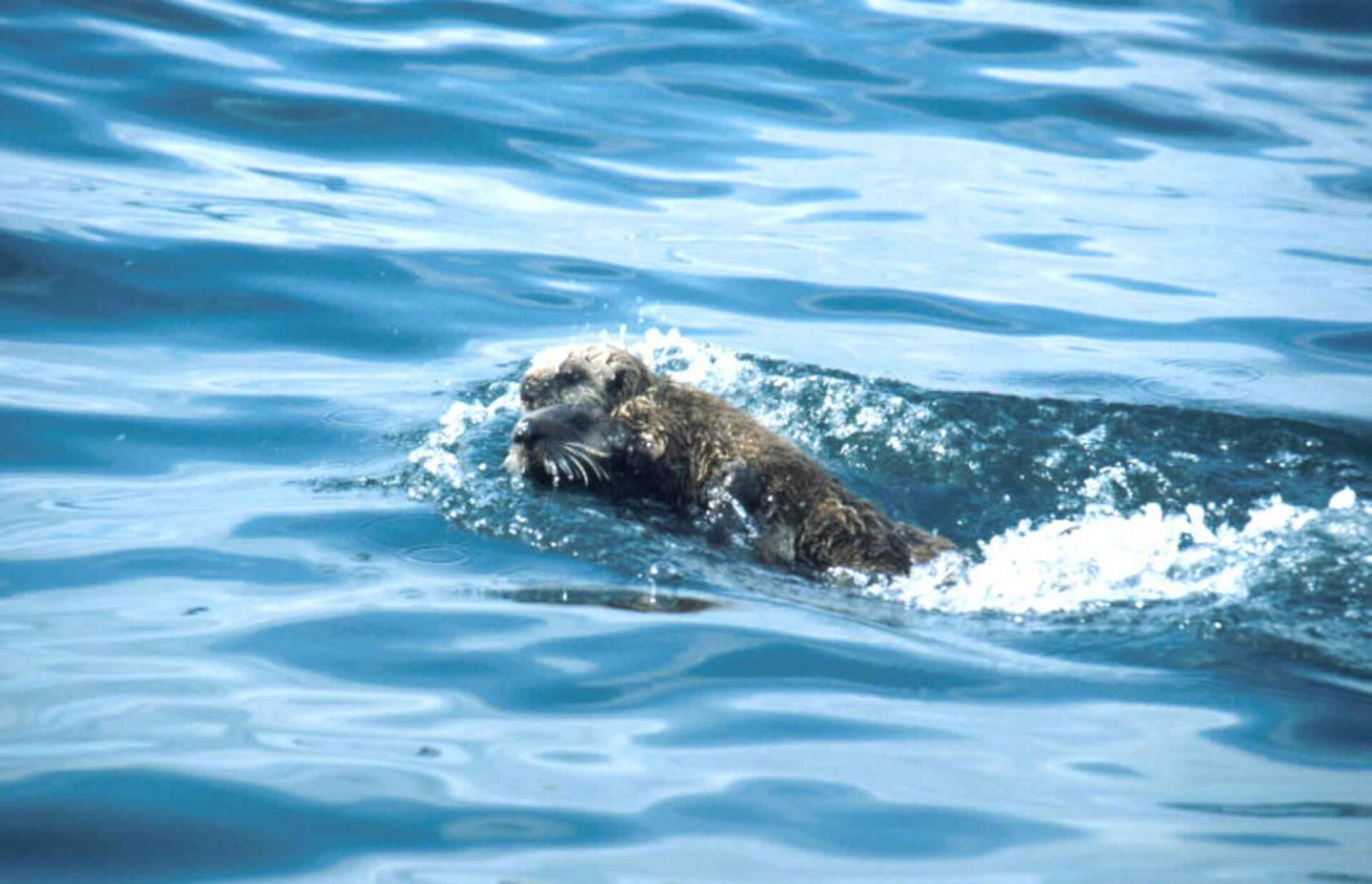
A newborn pup can't dive. Its fluffy coat holds so much air that it floats like a cork, and the mother leaves it bobbing at the surface while she forages below.

Sea otters resting together on the water
RestingU.S. Fish and Wildlife Service, Public domain

Watching otters without disturbing them